Bespoke programmes
Programmes designed with governments and organisations around their most pressing priorities, drawing on the Academy’s practitioners and methods.
Drawn from your own work
Exercises use problems your organisation faces, with practitioners playing the counterparts.
Delivered where it suits
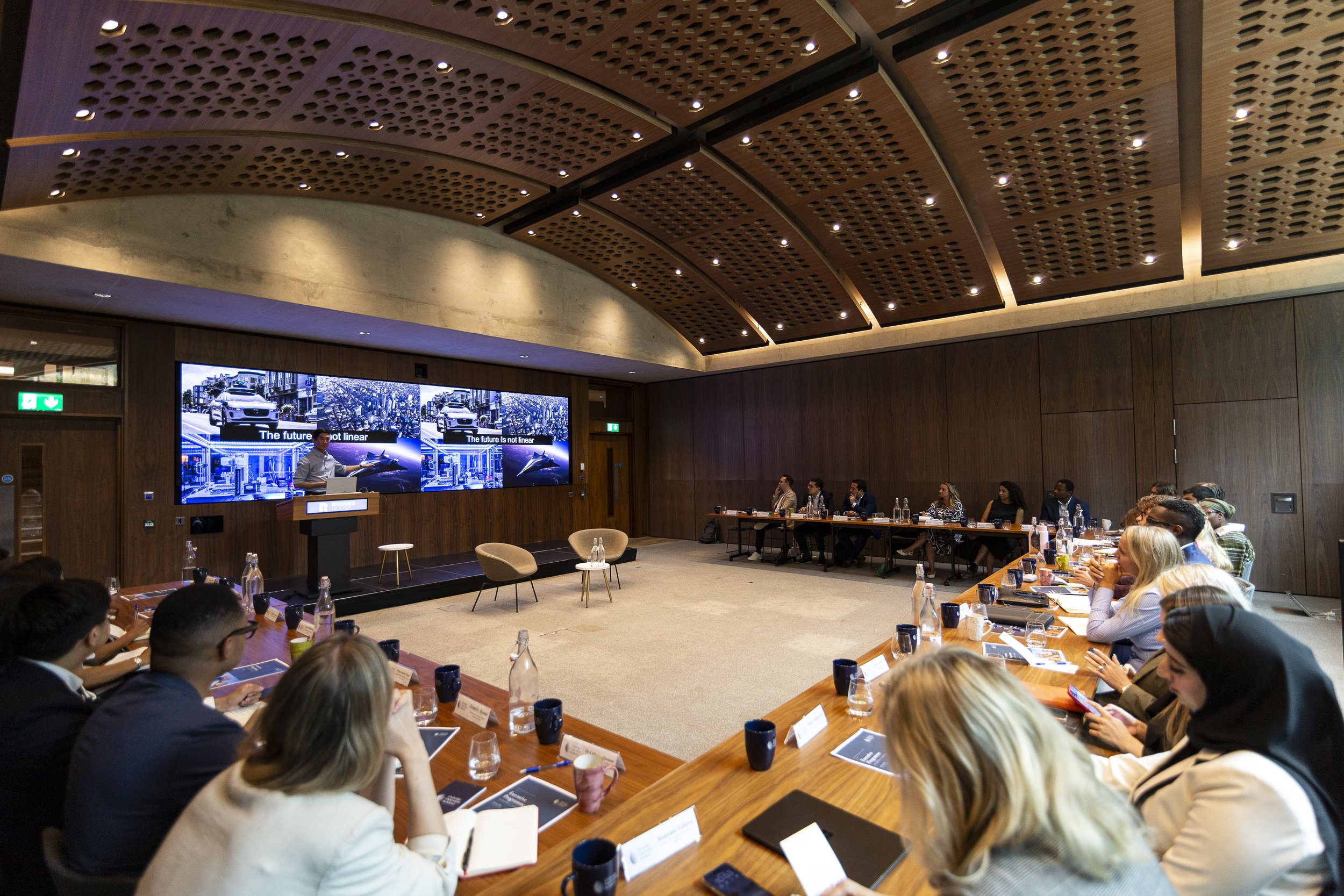
At the organisation's own offices, or in Oxford or Cambridge.
10 to 60 participants
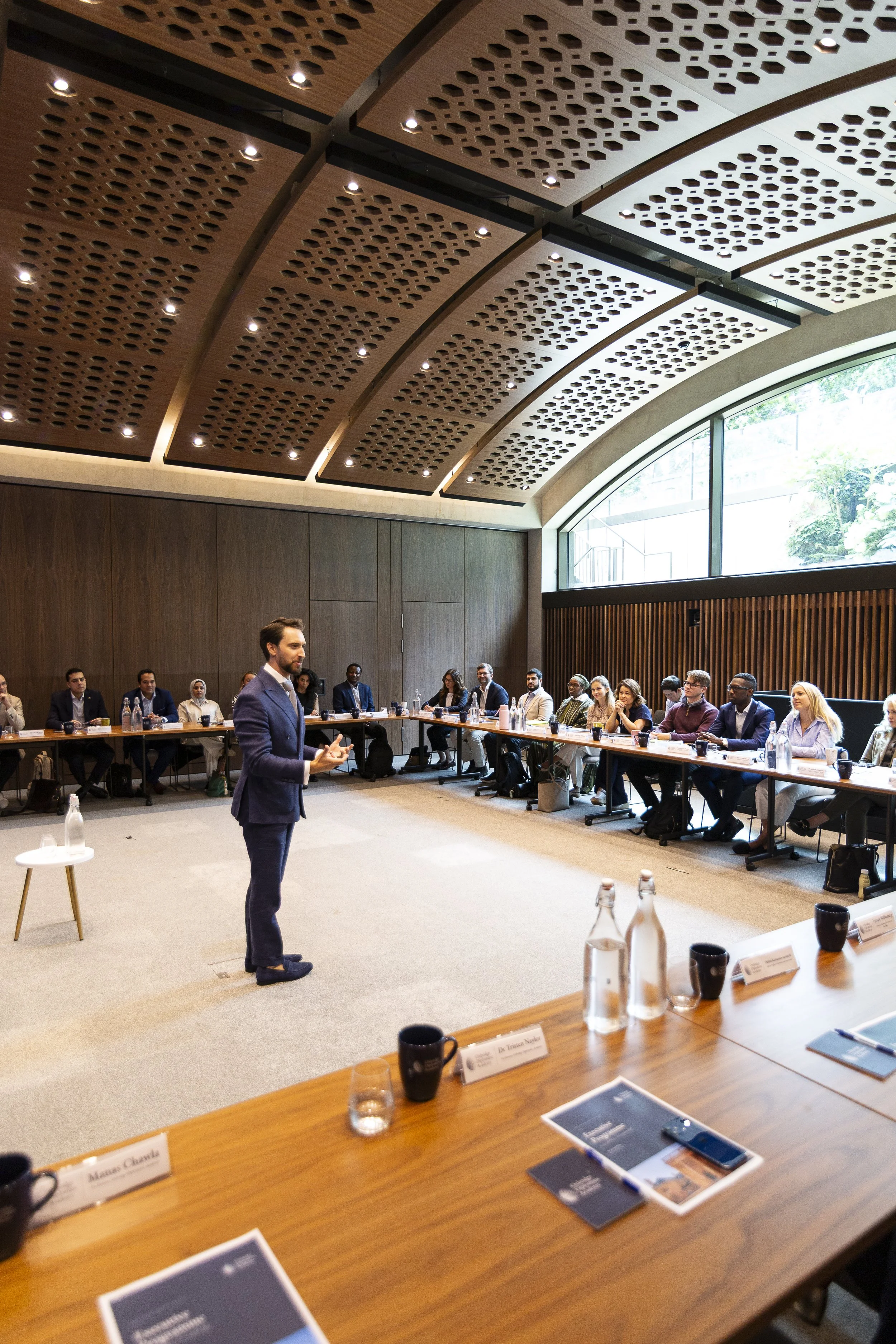
Larger cohorts are divided into smaller groups for the exercises and come together for seminars.
Built around your questions
Facilitators, subjects and exercises are chosen for the organisation, not drawn from a fixed curriculum.
Programme Elements
Each programme is assembled from the exercises below, chosen and adapted to the questions the organisation wants to examine.
01
Policy Exercise
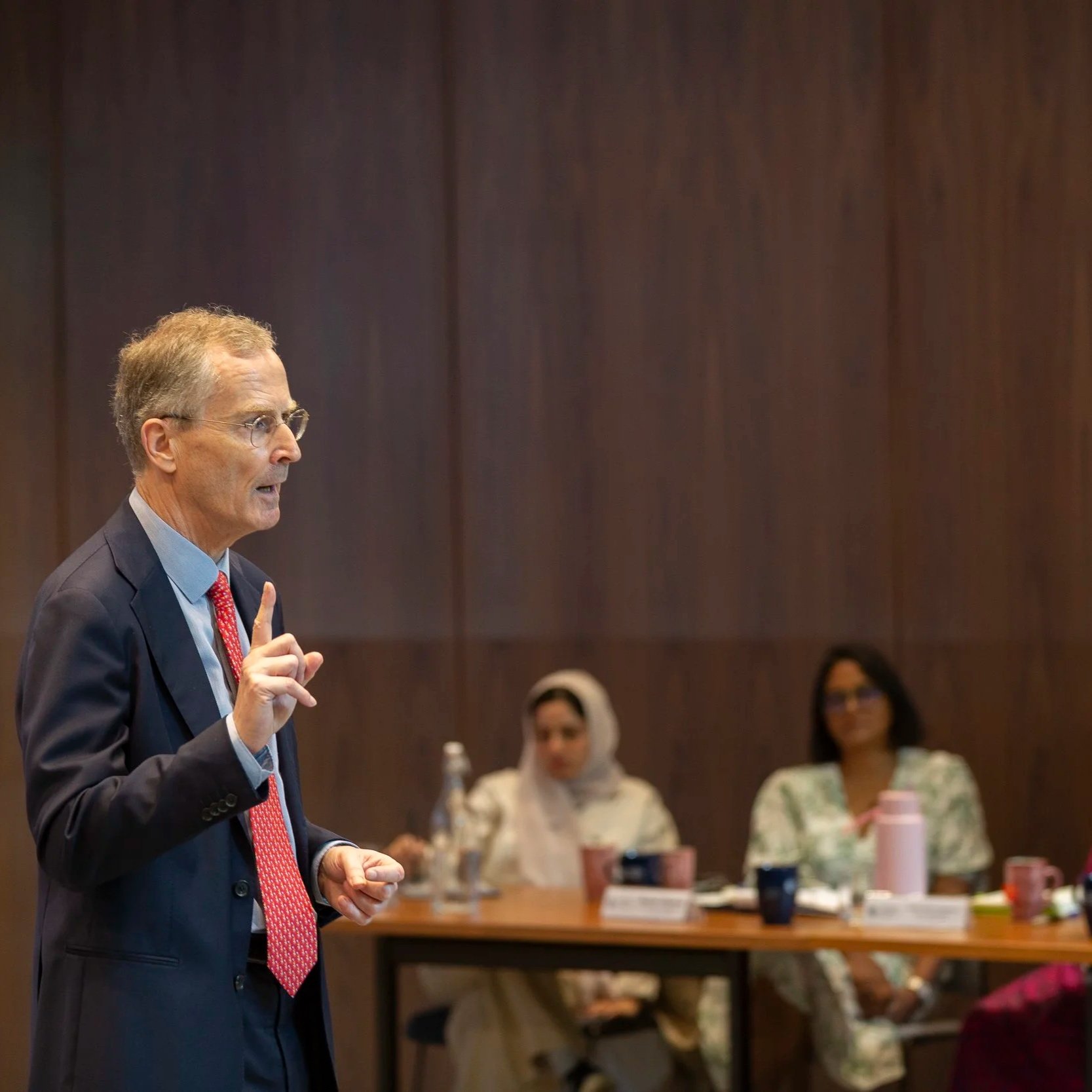
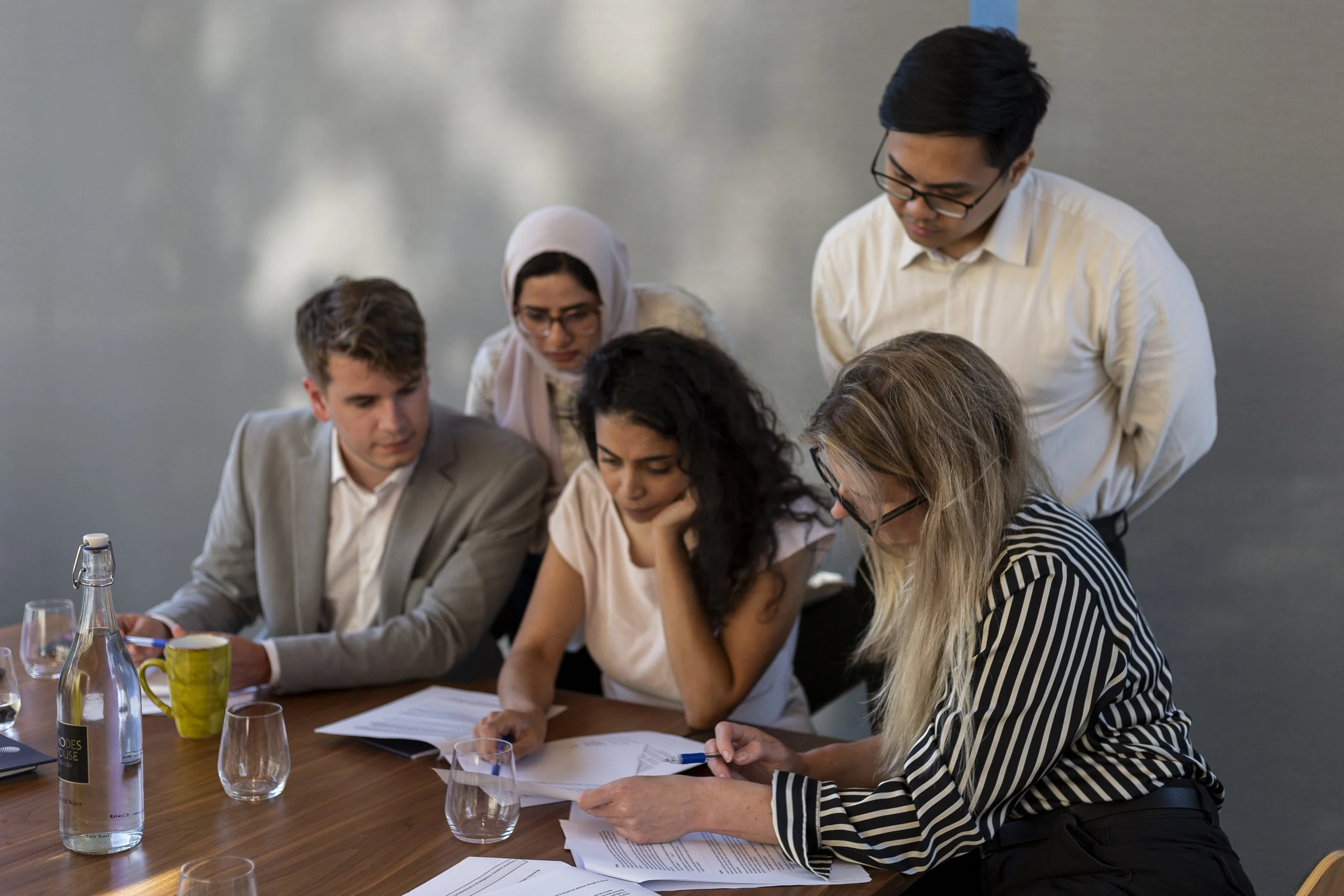
Participants work in teams on a policy question drawn from the organisation's own work. They assess the available options and competing interests, develop a position and present their recommendation.
02
Negotiation Workshop
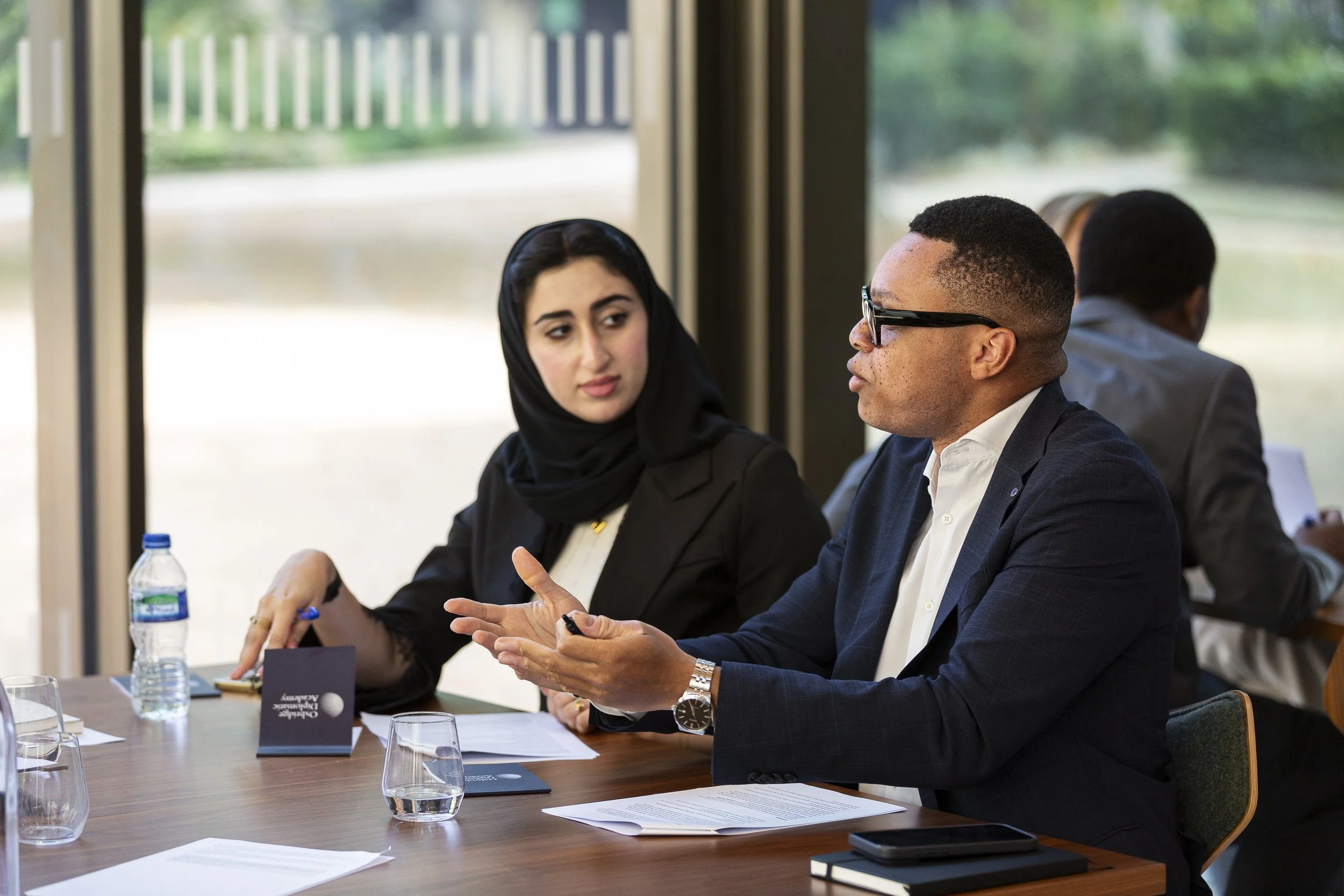
A practitioner-led session on negotiation strategy, interests and leverage, followed by practical exercises in which participants apply these principles to a live negotiation.
03
Geopolitical Table-Top Exercise
Participants work through an evolving geopolitical scenario, assessing the interests and objectives of the actors involved and considering the choices available to their own organisation as events unfold.
04
Briefing Challenge
Teams receive a policy and intelligence pack, identify what matters and deliver a concise oral briefing to a facilitator playing a senior decision-maker. The briefing is followed by direct feedback.
05
Crisis Simulation
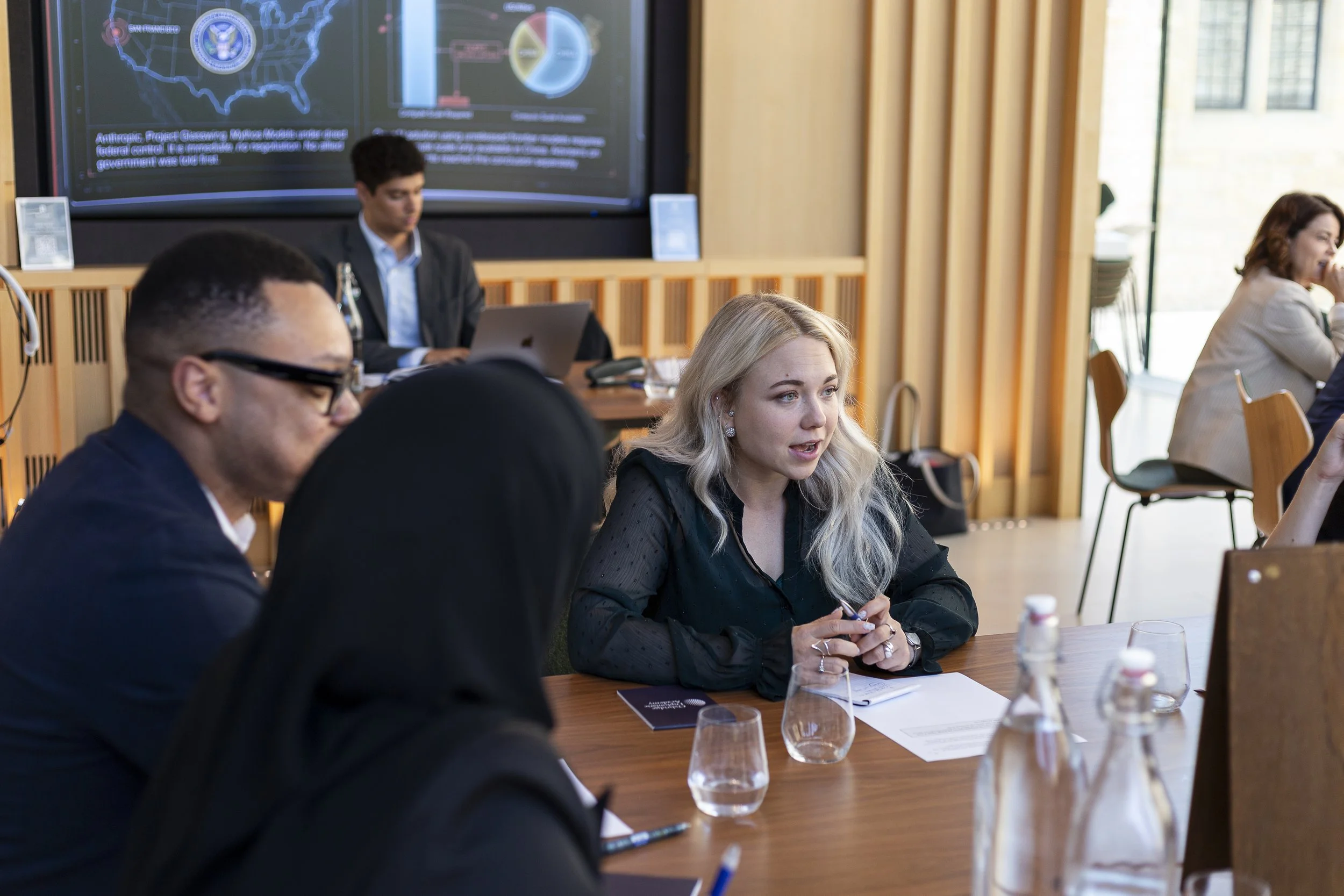
The crisis simulation brings participants together to respond to a developing geopolitical or technological crisis. Working in assigned roles, participants must make decisions, communicate with one another and agree a course of action as events unfold.
The scenario is selected from the Academy’s library or developed with the organisation around the risks and decisions it wishes to examine. Participants are typically assigned roles within a crisis, with some teams representing external actors such as regulators, governments or clients. This allows the exercise to test how teams coordinate internally, assess incomplete information, agree decisions and communicate with outside parties as events develop. It can run over a half day or a full day.
Led by the Co-Directors, Manas Chawla and Dr Tristen Naylor

Delivering a bespoke ODA programme
Organisations work with the Co-Directors throughout the process, from the initial discussion through to delivery and follow-up. The Academy develops the curriculum in response to the organisation’s priorities, appoints the relevant practitioners and designs the exercises and simulations. It also manages the practical arrangements, including the delivery of sessions and, for programmes in Oxford or Cambridge, accommodation, meals, college dinners and a cultural programme. Each programme concludes with a debrief and written report, giving the organisation a clear record of the discussions, findings and lessons.
Included: scenario design, bespoke briefs for each function, practitioner sessions, facilitation and debrief, and a written report
01
Initial Consultation
A conversation with the Co-Directors establishes what the programme should examine, who will take part, and the format and length that suits your organisational priorities.
02
Programme Design
The curriculum, exercises and simulation are developed around those priorities with leading global practitioners selected for their relevant expertise and experience with your priority areas.


03
Programme Delivery
The Academy delivers the programme at the organisation’s premises or in Oxford or Cambridge, managing the sessions, exercises and practical arrangements.

04
Debrief and Report
A structured debrief draws together the main discussions and findings. A written report provides senior leadership with a record of the programme and recommendations for further consideration.

Explore a bespoke programme
Organisations interested in developing a bespoke programme are invited to contact Co-Directors Manas Chawla and Dr Tristen Naylor to discuss their objectives, the appropriate format, indicative costs and practical arrangements.
Organisations that prefer to send individuals can nominate participants to the annual Executive Programme.
A Participant's View“Attending the Oxbridge Diplomatic Academy at Rhodes House was an exceptional experience, offering rare access to diplomats, ambassadors, and philanthropists whose work has shaped international affairs… I left with a broader outlook, an invaluable network of peers, and a deeper appreciation of the skills needed to thrive in an increasingly complex world.”
Ratul Ahmed, Global Head of Model Risk Management & Validation, Commerzbank · Class of 2026